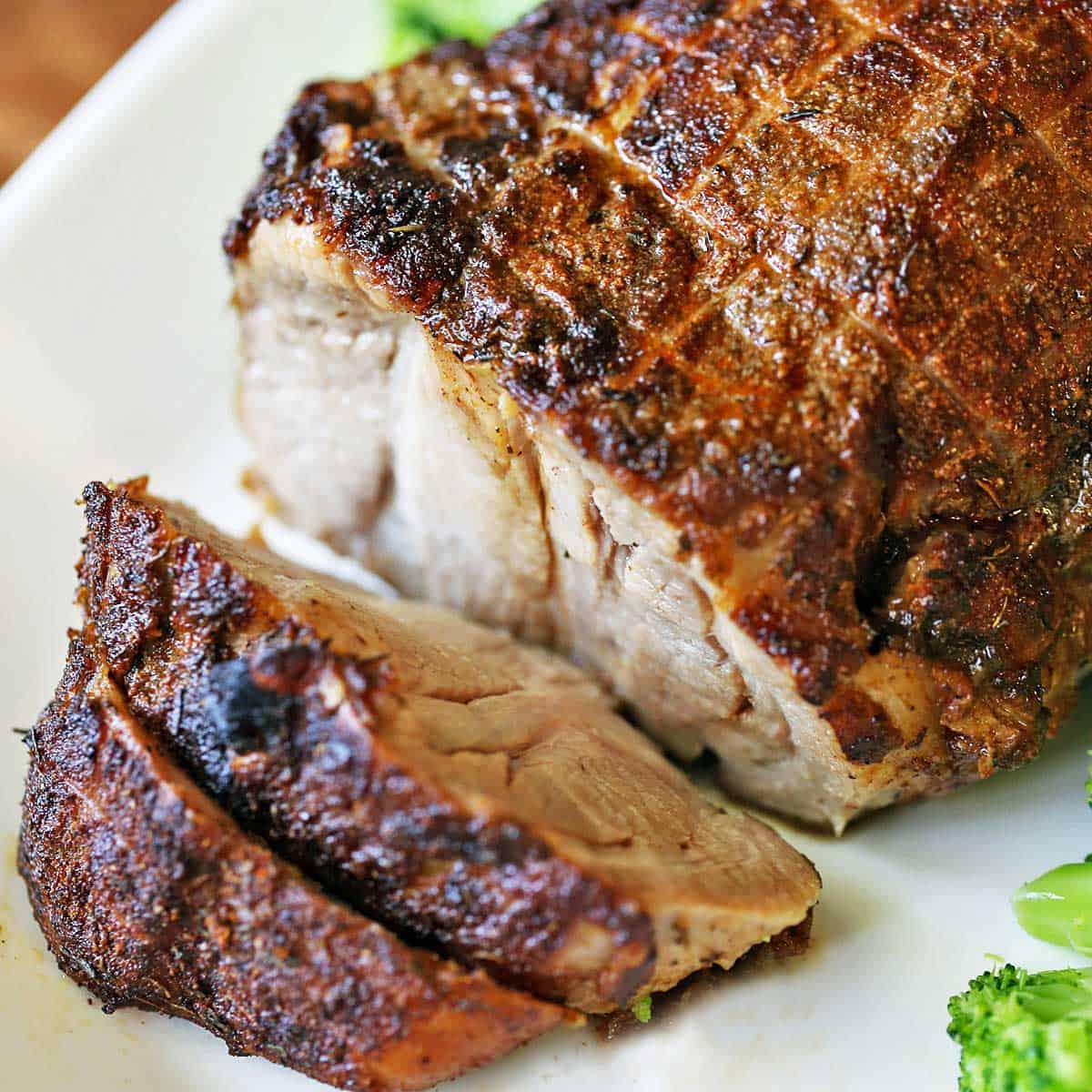
Few culinary experiences rival the pure comfort and satisfaction of a perfectly cooked pork roast. The moment that familiar aroma of herbs, garlic, or sweet apples begins to waft through the kitchen, it instantly evokes memories of cherished family gatherings, cozy Sunday dinners, and the simple joy of sharing a magnificent meal. A truly great pork roast isn't just food; it's an event, a centerpiece that transforms an ordinary evening into something special, impressing guests and delighting loved ones alike.
Whether you’re aiming for a crispy, herb-crusted marvel or a melt-in-your-mouth, fall-apart tender creation, the versatility of the pork roast means there’s a perfect recipe for every occasion and every cook. Join us as we explore the art of preparing this beloved dish, from classic preparations to the magic of one-pot wonders, ensuring your next pork roast is nothing short of spectacular.
The Allure of the Perfect Pork Roast
The appeal of a pork roast lies in its remarkable ability to be both elegant and wonderfully homely. Imagine a golden-brown exterior, crackling with savory herbs, yielding to an interior so juicy and tender it practically melts on your tongue. This textural contrast, combined with rich, earthy flavors, is what makes a well-executed pork roast an unforgettable experience.
For many, the scent of roasting pork is a nostalgic trigger, reminiscent of simpler times and cherished family traditions. It's the kind of dish that makes everyone ask, "What's cooking?" as they gather around, eager for a taste. Beyond its deliciousness, a pork roast often simplifies meal planning, especially when prepared as a hearty one-pot dish. It offers substantial servings, fantastic leftovers that taste even better the next day, and is incredibly freezer-friendly, making it a smart choice for modern households seeking both comfort and convenience.
Mastering the Classic Herb-Crusted Pork Roast
A classic herb-crusted pork roast is a showstopper that requires surprisingly simple ingredients. The secret to its undeniable charm lies in the marriage of aromatic herbs with the succulent pork, creating a fragrant, crispy crust that protects an incredibly juicy interior.
Crafting the Ultimate Herb Crust
The foundation of this dish often begins with a vibrant herb mixture. My personal go-to, and a perennial favorite, is the timeless pairing of **aromatic garlic and earthy rosemary**. These two ingredients possess a magical quality, transforming humble pork into a flavorful masterpiece. To elevate your crust:
- Preparation: Start by thoroughly patting your pork roast dry. Moisture is the enemy of a crispy crust.
- Rubbing It In: Mince several cloves of garlic and finely chop fresh rosemary. Combine with a good quality olive oil, a generous amount of coarse salt, and freshly cracked black pepper. For added depth, consider a touch of dried thyme or sage.
- Application: Vigorously rub this mixture all over the surface of the pork. Don't be shy; ensure every inch is coated. The oil helps adhere the herbs and promotes browning.
Roasting the pork at an initial higher temperature before reducing it can help achieve that beautiful, crackling crust. As it roasts, the herbs infuse the meat, and the crust caramelizes, locking in all the juices. Once cooked, remember to let your roast rest before slicing – this crucial step allows the juices to redistribute, guaranteeing maximum tenderness and flavor. Serve this magnificent creation alongside roasted root vegetables or a vibrant arugula salad, perhaps with a glass of Pinot Noir to complement its earthy notes. For more foundational tips on achieving the perfect texture, you might find valuable insights in pork roast - Article 1.
Sweet & Savory: The Irresistible Honey-Glazed Pork with Apples
While savory herbs are a classic pairing, the combination of sweet and savory flavors offers another delightful dimension to the pork roast. A honey-glazed pork roast with apples is a dish steeped in nostalgia, conjuring images of autumn gatherings and the comforting warmth of a farmhouse kitchen.
This preparation highlights the natural sweetness of pork, beautifully enhanced by the caramelization of honey and the tart-sweetness of apples. As the roast cooks, the honey creates a glistening, golden-brown glaze, while the apples soften and meld with the pan juices, filling your home with an intoxicating, cozy aroma.
Tips for a Luscious Glaze:
- Apple Selection: Opt for firm, slightly tart apples like Granny Smith, Honeycrisp, or Fuji that hold their shape well during cooking and provide a nice counterpoint to the sweetness.
- Glaze Base: Combine honey with a touch of Dijon mustard for tang, apple cider or broth for moisture, and a pinch of cinnamon or nutmeg for warmth.
- Application: Apply the glaze towards the end of the cooking process to prevent it from burning. Baste periodically to build up layers of sticky, flavorful coating.
The resulting roast is incredibly tender, with a sticky, sweet-savory crust that is simply irresistible. The cooked apples can be served alongside the pork or mashed slightly to create a rustic sauce.
The Magic of the Dutch Oven: Your Guide to a One-Pot Wonder
If ease, profound flavor, and minimal cleanup are high on your priority list, then the Dutch oven pork roast is your culinary hero. This "set it and forget it" method consistently delivers incredibly juicy, fall-apart tender pork and vegetables, all infused with a rich, garlic and herb-flavored sauce, making it the ultimate one-pot Sunday dinner or a surprisingly simple weeknight meal.
Why the Dutch Oven Excels:
- Superior Searing: A heavy Dutch oven retains and distributes heat exceptionally well, allowing you to achieve a deep, flavorful sear on your pork before slow cooking. This crucial step, known as the Maillard reaction, creates complex flavors and a caramelized crust that simply can't be replicated in a slow cooker.
- Consistent, Even Heat: The cast iron construction ensures even heat distribution, promoting uniform cooking and preventing hot spots, which is vital for tenderizing tough cuts over several hours.
- One-Pot Convenience: Everything from searing to slow-roasting, including your chosen vegetables and liquids, happens in a single pot. This means less washing up and more time to enjoy your meal.
The process begins by searing the pork to create that gorgeous, caramelized crust. Then, nestled with aromatic vegetables like carrots, potatoes, and onions, and bathed in a flavorful broth, the entire pot is slow-cooked in the oven. The result is impossibly tender meat that practically melts on your tongue, alongside vegetables bursting with the infused cooking juices. Cook at a low temperature, around 300°F, for 2.5 to 3 hours, or until the internal temperature reaches 195-205°F for shreddable perfection. For a deeper dive into different cooking methods and their respective benefits, exploring pork roast - Article 3 might offer further insights.
Choosing the Right Cut for Your Pork Roast
Success with any pork roast recipe largely hinges on selecting the correct cut of meat. The wrong choice can lead to dry, tough results, even with the best technique.
The Champion for Slow Roasting: Pork Shoulder
For recipes like the Dutch oven pork roast, where you're aiming for succulent, fall-apart tender meat, the pork shoulder is unequivocally the best choice. It goes by several names:
- Pork Shoulder Roast
- Boston Butt
- Boston Shoulder
- Pork Butt (despite the name, it comes from the upper shoulder of the pig)
Here’s why it's ideal: pork shoulder is a hardy, relatively tough cut, rich in connective tissue and interspersed with fat. While these characteristics might sound unappealing, they are precisely what make it perfect for low and slow cooking. Over several hours at a gentle temperature, the fat renders, and the connective tissues (collagen) break down into gelatin, infusing the meat with moisture and creating that characteristic melt-in-your-mouth texture. For shreddable pork, aim for an internal temperature of 195-205°F, measured with a reliable meat thermometer.
Cuts to Avoid for Slow Roasting Methods: Pork Loin and Tenderloin
While delicious in their own right, pork loin roast and pork tenderloin are cuts to avoid when a recipe calls for low and slow cooking methods like those described for a Dutch oven pot roast. These cuts are much leaner and contain very little connective tissue or fat. Cooking them slowly will inevitably lead to dry, tough meat.
Instead, pork loin and tenderloin thrive with high-heat, quick-cooking methods, designed to cook them through just until they reach a juicy medium-rare to medium (145-160°F internal temperature). Always match your pork cut to the intended cooking method for the best results.
Conclusion
The magnificent pork roast, in all its flavorful permutations, remains a timeless culinary delight. From the comforting nostalgia of a classic herb-crusted roast to the convenient elegance of a one-pot Dutch oven preparation, or the delightful sweetness of an apple-honey glaze, there’s a recipe to satisfy every palate and occasion. By understanding the importance of proper cut selection, the power of a good sear, and the magic of slow cooking, you’re well on your way to creating memorable meals that will gather loved ones around the table. So, next time you're planning a special dinner or simply craving some comforting home cooking, consider the unparalleled joy a perfectly cooked pork roast can bring to your kitchen and your family.
