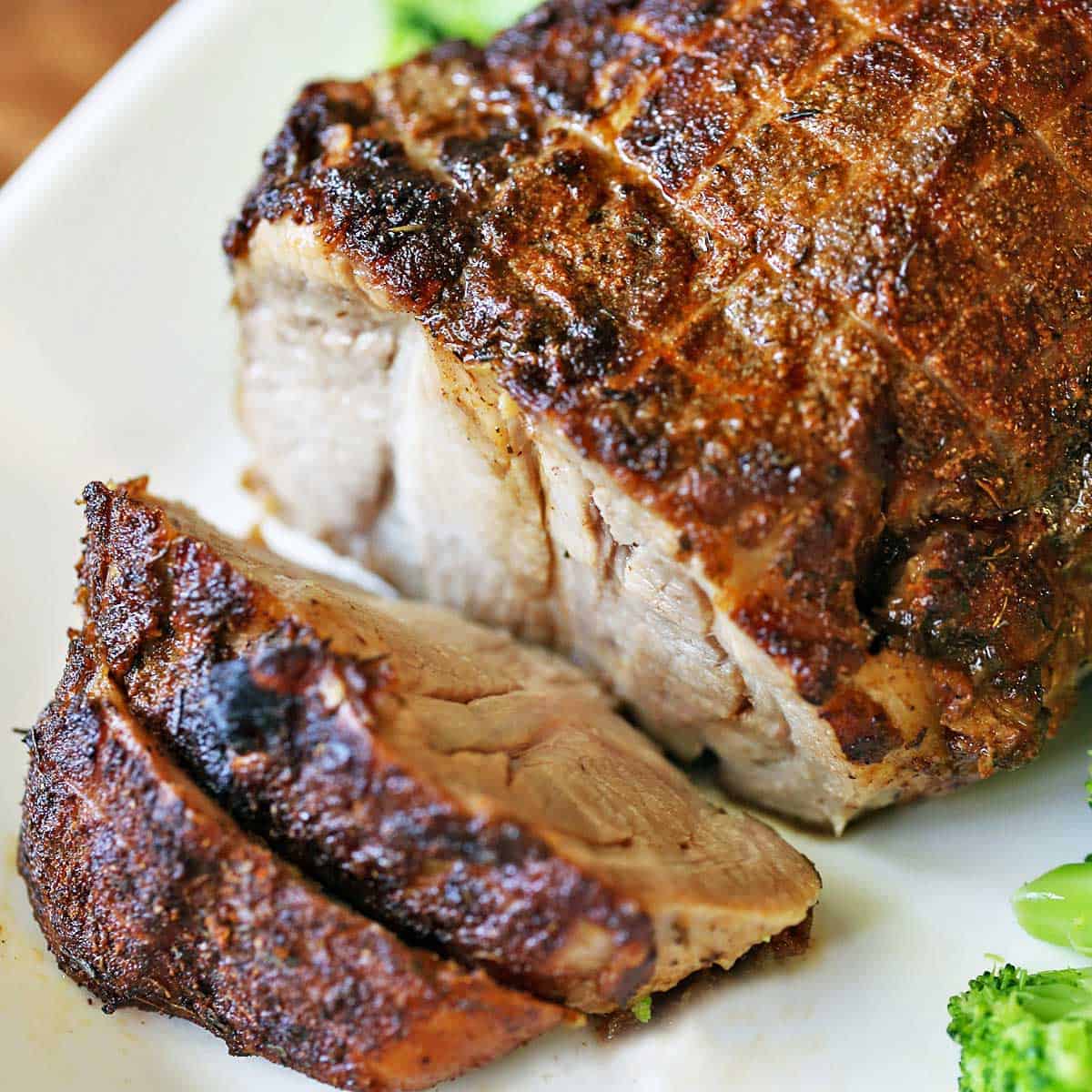
There are few culinary experiences as universally comforting and satisfying as a perfectly prepared pork roast. The mere mention conjures images of cozy Sunday dinners, the warm embrace of herbs and spices filling the kitchen, and a golden-brown centerpiece ready to gather family and friends around the table. Whether it's the crispy, fragrant crust of an herb-infused classic or the tender, fall-apart succulence of a slow-cooked masterpiece, a pork roast transforms humble ingredients into a showstopper that feels both elegant and profoundly homey.
From nostalgic family recipes passed down through generations to innovative new flavor combinations, the versatility of the pork roast is truly remarkable. It’s a dish that adapts effortlessly to various occasions, impressive enough for guests yet simple enough for a weeknight treat. Let's delve into the secrets behind crafting an unforgettable pork roast, exploring different techniques, essential cuts, and creative serving ideas that will elevate your cooking.
The Allure of the Perfect Pork Roast: A Culinary Journey
The journey to a truly magnificent pork roast begins with understanding the desired outcome. Do you crave a beautifully sliced, herb-crusted marvel, or a melt-in-your-mouth, shreddable delight? Each approach offers its own unique rewards, promising a delicious experience every time.
From Crispy Crust to Tender Interior: Mastering the Classic Herb-Crusted Pork Roast
Imagine the crackle of a perfectly rendered, herb-speckled crust giving way to impossibly tender, juicy meat. This is the hallmark of a classic herb-crusted pork roast. This method typically involves leaner cuts like pork loin, cooked at a higher temperature for a shorter duration to ensure a beautiful exterior without drying out the interior.
- Flavor Foundation: My personal go-to combination, echoing timeless culinary wisdom, involves aromatic garlic and earthy rosemary. These simple ingredients have a magical ability to transform pork, infusing it with a cozy scent that makes everyone ask, "What's cooking?" Don't shy away from experimenting with other herbs like thyme, sage, or even a hint of oregano for different flavor profiles. A generous rub of salt and freshly cracked black pepper is non-negotiable for enhancing taste.
- Achieving the Crust: For that coveted crispy exterior, ensure your pork is patted thoroughly dry before seasoning. A thin layer of olive oil or Dijon mustard can help the herbs adhere, creating a flavorful barrier that seals in moisture. High initial heat is key to kickstarting the browning process.
- Serving Suggestions: A classic herb-crusted pork roast shines when served alongside roasted root vegetables like carrots and parsnips, which caramelize beautifully in the oven. For a lighter touch, a simple arugula salad dressed with a vinaigrette provides a refreshing counterpoint. Pair this sophisticated yet rustic dish with a glass of Pinot Noir to complement the earthy flavors. And for any delicious leftovers, consider piling slices high on soft rolls, drizzling with pan juices for an incredible sandwich.
Sweet & Savory Harmony: The Irresistible Honey-Glazed Pork Roast with Apples
For those who appreciate a delightful balance of sweet and savory, a honey-glazed pork roast with apples is a timeless autumnal favorite. This dish evokes a sense of nostalgia, reminiscent of crisp fall afternoons and grandmother's farmhouse kitchen, where the sweet aroma of apples and honey would fill the entire house.
- Flavor Profile: The natural sugars in honey create a beautiful golden-brown glaze, adding a luscious sweetness that is perfectly complemented by the tartness of apples. Consider adding a touch of cinnamon or a pinch of ground ginger to enhance the warm, inviting spices.
- Fruit Pairings: While apples are traditional, don't limit yourself! Pears or even dried apricots can offer delightful variations, contributing their own unique sweetness and texture to the roast.
- Glazing Technique: The key to a successful glaze is to apply it towards the end of the cooking process to prevent it from burning. Basting the roast periodically ensures an even, glossy finish and deepens the flavor. This style of pork roast pairs wonderfully with creamy mashed potatoes or wild rice pilaf, soaking up all the delicious, infused juices.
Unlocking Unforgettable Flavor: The Magic of a Dutch Oven Pork Roast
When the goal is truly fall-apart, melt-in-your-mouth tenderness, often desired for shreddable meat, the Dutch oven stands out as an indispensable tool. This method transforms even the toughest cuts into incredibly rich and flavorful dishes.
Why the Dutch Oven Reigns Supreme for Tender, Fall-Apart Pork
The Dutch oven is a culinary workhorse, particularly suited for slow-cooked dishes. Its heavy, enameled cast-iron construction offers several distinct advantages for making an exceptional pork roast:
- Even Heat Distribution: The thick walls and bottom of a Dutch oven ensure heat is distributed evenly, preventing hot spots and allowing the pork to cook uniformly.
- Superior Moisture Retention: The heavy lid creates a self-basting environment, trapping steam and moisture, which is crucial for breaking down tough connective tissues in cuts like pork shoulder and keeping the meat incredibly juicy.
- Browning Capabilities: Unlike some other slow-cooking methods, a Dutch oven allows you to sear the pork directly in the pot on the stovetop before slow-roasting. This crucial step creates a rich, caramelized crust, building a deep layer of flavor (fond) that becomes the foundation for your sauce.
- One-Pot Convenience: From searing to braising to serving, everything happens in one pot, making cleanup a breeze and truly earning its "set it and forget it" reputation. This makes it the perfect low-maintenance, ultra-comforting Sunday dinner that's easy enough for any day of the week.
Choosing the Right Cut: Pork Shoulder is Your Best Friend for Slow Cooking
For a Dutch oven pork roast designed to be tender and shreddable, the cut of meat is paramount. You'll want to reach for Pork Shoulder, also known by several aliases:
- Boston shoulder
- Pork butt
- Pork shoulder roast
- Boston butt
Here's why this cut is the champion for slow cooking:
Pork shoulder is hardy, tough, full of connective tissue, and relatively fatty. While these characteristics might sound unappealing for other preparations, they are precisely what makes it shine in a low-and-slow cooking environment. As it cooks gently for hours, the fat renders, and the collagen in the connective tissues breaks down into gelatin, resulting in that coveted melt-on-your-tongue texture and rich, flavorful meat. You might also want to explore pork roast - Article 2 for more insights into selecting the best cuts for various cooking methods.
Cuts to Avoid (for this specific slow-cook method): While delicious in their own right, pork loin roast and pork tenderloin are generally too lean for the long, slow braising method used in a Dutch oven. They require different oven temperatures and significantly shorter cooking times to prevent drying out. For instance, a baked pork tenderloin calls for high heat and quick cooking, yielding a juicy yet sliceable result rather than a shreddable one.
Crafting Your Signature Pork Roast: Tips for Success
Regardless of the method you choose, a few universal principles will elevate your pork roast from good to truly exceptional.
Essential Steps for a Flavorful Foundation
- The Power of Searing: Do not skip searing! Whether for a Dutch oven slow roast or a quicker herb-crusted preparation, browning the exterior of your pork roast in a hot pan (or directly in the Dutch oven) before it goes into the oven is non-negotiable. Searing develops the Maillard reaction, creating hundreds of complex flavor compounds that add incredible depth and color to your dish.
- Deglazing for Depth: After searing, if you're using a Dutch oven, deglaze the pot with a splash of broth, wine, or even water. Scrape up all those flavorful browned bits (fond) from the bottom of the pan; they are liquid gold for your sauce or gravy.
- Aromatic Additions: Don't limit yourself to just the meat. Onions, carrots, celery, and garlic added to the pot or roasting pan contribute layers of flavor to the cooking liquid, which can then be reduced to a spectacular sauce.
Achieving Perfect Doneness Every Time
The secret to a juicy pork roast lies in precise temperature control. A good quality meat thermometer is your best friend.
- Internal Temperatures:
- For sliceable pork roasts (like loin or tenderloin), aim for an internal temperature of 145°F (63°C) for medium-rare, or up to 150-155°F (66-68°C) for medium, followed by a rest.
- For shreddable pork shoulder cooked in a Dutch oven, you'll need a much higher internal temperature, typically between 195-205°F (90-96°C). At this temperature, the collagen has fully broken down, allowing the meat to easily pull apart.
- The Importance of Resting: Once your pork roast reaches its target temperature, remove it from the oven, cover it loosely with foil, and let it rest for at least 10-20 minutes (longer for larger roasts). This allows the juices to redistribute throughout the meat, resulting in a more tender and flavorful final product. Cutting into it too soon will cause those precious juices to run out.
Beyond the Plate: Creative Uses for Leftover Pork Roast
One of the best things about a pork roast is how well it transforms into other delicious meals. Leftovers often taste even better the next day, and it's very freezer-friendly.
- Sandwiches & Tacos: Shredded or sliced pork roast makes incredible sandwiches, sliders, or tacos.
- Hearty Hash: Dice the pork and combine with roasted potatoes and vegetables for a comforting breakfast or brunch hash.
- Stir-fries & Soups: Add diced pork to a quick stir-fry or as a protein boost in your favorite soups.
- Freezing: Portioned and stored in airtight containers, cooked pork roast can be frozen for several months, ready for a quick meal on a busy day. For even more detailed recipes and cooking methods, discover additional gourmet preparations and side dish pairings in pork roast - Article 3.
Conclusion
The pork roast, in its many glorious forms, truly embodies comfort, celebration, and culinary delight. From the fragrant herb-crusted centerpiece of a special dinner to the hearty, slow-cooked marvel born from a Dutch oven, it offers endless possibilities for flavor and enjoyment. By understanding the right cuts, mastering essential techniques like searing and slow cooking, and embracing the power of aromatic ingredients, you can consistently create a pork roast that is incredibly juicy, tender, and bursting with flavor. So, whether you're recreating a cherished family tradition or embarking on a new culinary adventure, embrace the magic of the pork roast and savor every delicious moment it brings to your table.
